

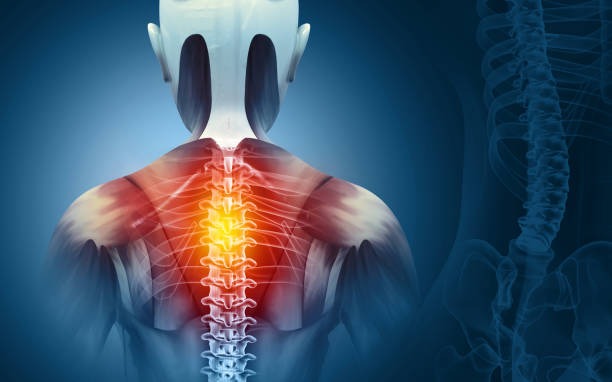
What Are Spinal Adjustments?
Spinal adjustments are a fundamental aspect of chiropractic care, involving techniques performed by certified practitioners to realign the spine and restore movement to restricted joints. Chiropractors use their hands or specialized instruments to deliver a controlled, sudden force to a spinal joint. The objective is to improve spinal motion and enhance the body’s physical function. Techniques may vary depending on the condition, but the process is always tailored to each individual. Unlike massage or general physical therapy, spinal adjustments focus directly on vertebral alignment to address subtle joint dysfunction.
The reasoning behind spinal adjustments is based on the idea that correct spinal alignment supports not only comfort but also overall body health. For example, something as seemingly minor as a persistent head tilt can indicate a spinal imbalance. If left unchecked, these misalignments may contribute to chronic pain, decreased mobility, or even headaches by affecting nerve communication between the brain and body. Addressing alignment issues early can support better posture, reduce the risk of additional injuries, and improve daily functioning for people at all life stages.
Common Types of Pain Addressed
Spinal adjustments are perhaps most commonly associated with relief from lower back pain, one of the leading reasons people seek medical treatment worldwide. Yet, their benefits extend to diverse complaints, including neck pain, tension headaches, migraines, and upper back discomfort. These conditions can stem from daily wear and tear, past injuries, poor workplace ergonomics, or even athletic activity. Over time, these pain points can lead to limited mobility, reduced physical activity, and even impact sleep quality.
In addition to acute pain stemming from injuries, chronic pain conditions often respond to spinal adjustments as part of a well-rounded care plan. Symptoms ranging from dull, nagging aches to sharp, shooting pain may become manageable or diminish when the root cause, often joint restriction or soft tissue dysfunction, is directly addressed. People living with discomfort usually find it easier to return to hobbies or routines they once enjoyed, which contributes to their overall well-being and participation in daily life.
The Science Behind Spinal Adjustments
Research supports the effectiveness of spinal adjustments in managing musculoskeletal pain. When spinal joints lose normal motion or alignment, nearby tissues, muscles, ligaments, and nerves can become irritated, leading to pain, stiffness, or tingling. Chiropractic adjustments realign the spine, relieving restrictions, restoring movement, and reducing inflammation. Current studies indicate that spinal adjustments can improve central nervous system function. Since the nervous system controls all bodily processes, enhancing communication between the brain and spine benefits strength, coordination, and pain control. Research reveals decreases in pain and improvements in motion after chiropractic care. Individual responses vary depending on their health history, but in many cases, positive outcomes support spinal adjustments as a non-invasive solution for pain and mobility issues.

