

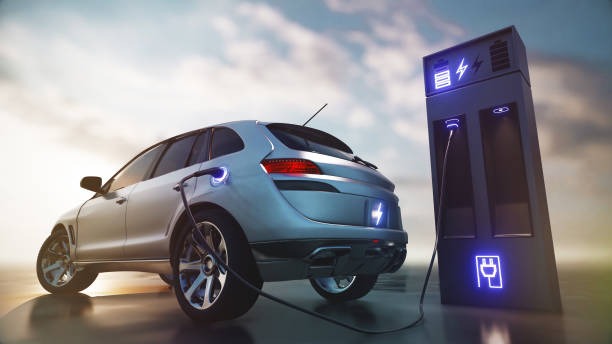
Hybrid and electric vehicles are reshaping how we think about mobility. With the shift toward cleaner energy and better fuel economy, these vehicles offer an efficient alternative to traditional gasoline-powered cars. Hybrid models combine a gasoline engine with electric propulsion for improved mileage, while fully electric cars rely solely on battery power, producing zero tailpipe emissions. As more manufacturers invest in this technology, the driving experience becomes quieter, smoother, and more cost-effective in the long run.
The rise of these vehicles also changes how people shop for cars and consider long-term ownership. Factors like charging infrastructure, battery lifespan, and maintenance play a more significant role in decision-making than before. As the market continues to evolve, buyers are looking for trusted sources to explore their options, including Jeep dealers in Florida, who have begun expanding their inventories to include more eco-friendly models. This shift reflects how everyday driving is being redefined by sustainable innovation.
The Shift Toward Sustainable Transportation
The automotive industry is shifting towards environmentally friendly transportation due to air pollution, climate change, and public health concerns. Electric vehicles significantly reduce emissions, enhancing air quality in cities and suburbs. Cities across the globe are implementing incentives and policies to promote low-emission vehicles, such as subsidized public charging and reserved parking. As demand increases, advancements in car parts—like lightweight components and high-efficiency powertrains—are helping make hybrid and electric models more accessible and reliable. Adopting electric or hybrid cars is becoming a logical choice for professionals, busy parents, and seniors. As policymakers and the public recognize the collective impact of driving choices, a national movement towards personal sustainability is gaining momentum.
Technology Advancements Are Fueling Growth
Advancements in battery and software technologies are transforming the possibilities for plug-in vehicles. Battery range has increased, with models now offering over 250 miles on a single charge, making EVs more accessible for a broader range of drivers. Fast-charging infrastructure also improves convenience, with many EVs achieving 80% charge in under 30 minutes. Advancements in solid-state batteries and ultra-fast charging technologies promise faster energy transfer and longer-lasting batteries. As consumer interest grows, Lakeland car dealerships and others are beginning to reflect this shift by incorporating more electric options into their inventories. Software improvements like route-optimizing navigation and remote diagnostics also enhance the ownership experience.
Cost Savings and Long-Term Value
Electric vehicles (EVs) and hybrids typically have higher upfront and ongoing costs than gasoline engines. However, electric motors have fewer moving parts, leading to lower maintenance expenses and reduced service bills. Electricity is generally cheaper per mile than gasoline in most areas, allowing drivers to save on operational costs. Annual savings on fuel and maintenance can range from several hundred to thousands of dollars. Government incentives, rebates, and the increasing longevity of modern lithium-ion batteries can make investing in a greener car a wise financial decision. Regenerative braking technology, now standard in many new hybrids and EVs, can also extend the lifespan of critical components.
Infrastructure: Charging Stations and Beyond
Widespread access to convenient charging remains crucial for mainstream EV adoption. Over the last few years, the number of public charging stations has soared, reducing one of the main barriers—“range anxiety.” There are over 50,000 public charging sites throughout the United States, spanning interstate highways, shopping centers, workplaces, and residential areas.
- Fast-charging stations are a regular feature at highway travel stops, allowing cross-country travel without extended downtime.
- Businesses, apartment complexes, and even some municipal parking lots now offer charging for employees, tenants, and guests.
- With Level 2 home charging equipment, homeowners can charge overnight, taking advantage of off-peak electricity rates for added savings.
In addition to the growing number of chargers, governments and industry are prioritizing expansion into rural and underserved communities. Innovative partnerships, funding, and grants are accelerating infrastructure development, making it easier for anyone—regardless of where they live—to consider an EV. Charging networks have become more widespread, faster, more intuitive, and reliable, giving drivers the confidence to choose electric for city commutes and longer journeys alike.
Government Policies and Incentives
Legislative action has played a decisive role in accelerating the adoption of hybrids and electric vehicles. The U.S. federal government, along with numerous states, offers a variety of incentives—such as tax credits, rebates, and grants—that can reduce the upfront cost by several thousand dollars. In some cases, additional perks like sales tax exemptions, carpool lane access, and priority parking offer daily benefits to drivers of plug-in vehicles.
Local municipalities may add further advantages, making it easier for drivers to find a charging station or park their eco-friendly vehicle at reduced or no cost. Prospective buyers should research available programs and new legislation since offerings can be updated frequently.
As hybrid and electric vehicles continue to revolutionize the automotive landscape, maintaining their value becomes increasingly important for owners. One effective way to ensure these vehicles retain their worth is through meticulous care and maintenance. Vehicle Value Preservation Through Professional Detailing plays a crucial role in this process, offering services that enhance the longevity and appearance of these advanced automobiles. By investing in professional detailing, owners can protect their vehicles from environmental damage and wear, ensuring that their hybrid or electric car remains in top condition, both aesthetically and functionally, for years to come.

