

Standout senior communities aren’t hard to spot. Patterns show up everywhere — in how staff carry themselves, how a hallway feels at 7 a.m., how leadership handles the moment something goes wrong. Older adults want meaning. Real connection. Care shaped around their actual lives, not some laminated template. The gap between communities that genuinely flourish and ones that merely survive — understanding that gap gives families a real choice rather than a coin flip in the dark.
A Strong Focus on Community Connection
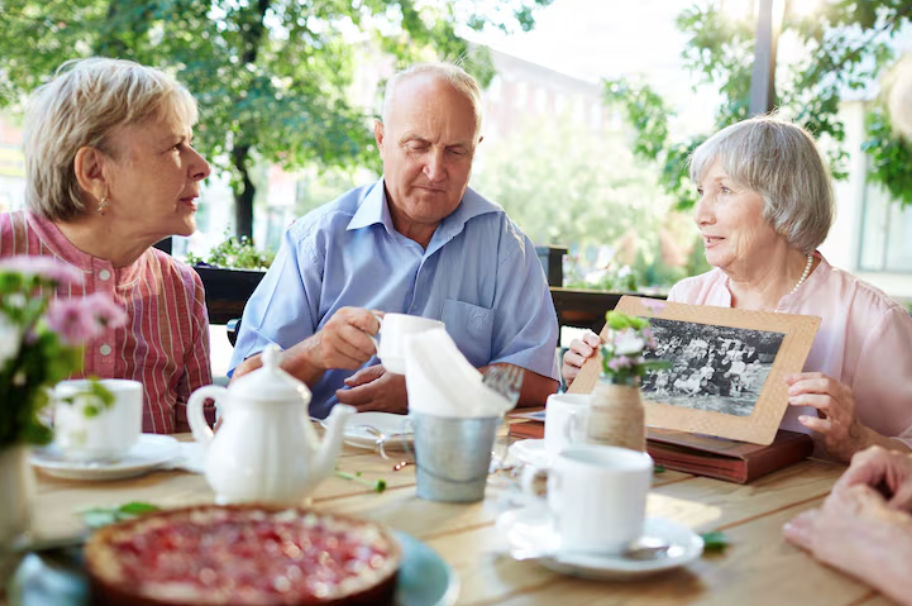
Relationships are the whole thing. Full stop. Every community worth its reputation gets built around them. Layouts matter here — dining rooms positioned so people cross paths naturally, garden walkways that invite slow conversation, libraries doubling as gathering spots. None of that is accidental. Isolation chips away at wellbeing quietly; good communities treat that as a serious operational problem, not a soft concern. So they run clubs and events reflecting actual variety, not recycled programming from three years back. Staff learn names. Histories. The small preferences and long-held quirks that make someone a person rather than a bed number. That kind of attention turns a building into something warmer — a place where people feel genuinely known, not just processed.
Transparent Communication and Honest Leadership
Trust doesn’t appear on its own. It gets built — slowly, through repeated honesty. Communities that earn it stay upfront about costs, service limits, and operational changes, even the uncomfortable ones nobody wants to announce. Leadership stays reachable. Real concerns get direct answers rather than layers of corporate language engineered to say nothing. Residents receive plain information about what their care looks like, what’s shifting, which decisions happened without them in the room. When a community can’t deliver something? They say so. Plainly. That candor matters enormously when families are working through one of the hardest calls they’ll ever make. Fewer ugly surprises. Significantly higher satisfaction over time.
Investment in Staff Training and Retention
Staff aren’t a supporting detail. They’re the whole foundation. Communities that truly grasp this invest heavily in ongoing training — person-centered care approaches, specialized communication techniques, condition-specific knowledge that actually applies on a Tuesday afternoon. Programs like assistive memory care in Fresno, CA show exactly how targeted staff training and consistent retention work together to support residents with dementia inside a stable, familiar environment. Training alone won’t cut it, though. These communities keep their people — through competitive pay, real benefits, visible room to grow. When residents see the same faces week after week, trust deepens fast. Relationships form. High turnover wrecks all of that. It’s usually a symptom, too. Something broken further down.
Maintenance of Safe, Accessible Spaces
The physical environment pulls more weight than most families realize. Hallways stay clear and properly lit. Handrails hold firm. Bathrooms come equipped with genuine safety features rather than retrofitted hardware bolted on as an afterthought. But the best communities push past minimum code — they build spaces that actually feel good to inhabit. Warm, not clinical. Common areas invite movement and lingering rather than discouraging both. Outdoor spaces stay accessible and genuinely maintained, offering real daylight instead of a view through smudged glass. Consistent upkeep prevents injuries, obviously. It also delivers a quieter signal to every resident living there: somebody here thinks you’re worth the effort.
Flexibility and Personalization in Services
Residents aren’t interchangeable. Their needs differ — and keep shifting. Thriving communities build flexibility into the whole structure: dining schedules, service arrangements, the rhythms of daily life. A late sleeper shouldn’t miss breakfast. Someone with dietary restrictions shouldn’t feel like a problem to route around. Some residents want fierce independence; others need more hands-on support and welcome it openly. Good communities adjust rather than forcing everyone through an identical rigid structure. Personalization runs all the way into care itself — staff learn each resident’s history, values, what genuinely matters on any given day. That adaptability lets people age in place rather than bouncing between facilities every time circumstances shift.
Conclusion
Thriving senior communities share a handful of real commitments: seeing residents as individuals, communicating honestly, investing in staff, keeping physical spaces safe and welcoming, and bending services around actual lives rather than demanding lives conform to a preset mold. These elements reinforce each other. Pull one out and the rest weaken. Together, they produce environments where older adults feel respected, engaged, genuinely at home — not managed. Families evaluating options should treat these qualities as meaningful signals, not marketing copy. Communities that actually live by these principles tend to hold strong reputations and stable, satisfied residents. That’s what aging with dignity looks like when somebody gets it right.
Read more : Top Lifestyle Trends: The Rise of Natural Supplements/How to Pick the Right Backpack for Your Lifestyle


