
Understanding the difference between “zeroes” and “zeros” can improve your writing clarity and accuracy.
The English language can sometimes be tricky when it comes to plural forms, especially with words like zero. The debate of whether to use “zeroes” or “zeros” has left many writers scratching their heads. In this blog post, we will break down the differences, providing clarity on when and why one is preferred over the other. Whether you’re writing a casual email, an academic paper, or a professional report, understanding the right plural form can make your writing clearer and more effective.
Now, you might be wondering, “Which one should I use?” Well, you’re not alone. This article will walk you through the basics of using zeroes and zeros correctly. We will explore how this decision varies between American and British English, dive into historical contexts, and provide practical tips for writers to avoid mistakes. By the end, you’ll feel confident knowing when to choose one over the other and how to use it appropriately in your writing.
So, let’s dive into the specifics. Whether you’re learning grammar or simply looking to perfect your writing, understanding the plural form of zero is a small but important detail. Let’s clear up the confusion once and for all!
Overview
When it comes to the plural of zero, English speakers often find themselves debating whether to use “zeroes” or “zeros.” The decision isn’t as straightforward as one might think, as the rules change depending on regional variations and specific grammar guidelines.
In American English, “zeros” tends to be more common, whereas British English speakers might use “zeroes.” While both forms are technically correct, understanding the nuances of when to use which form can prevent confusion and improve the quality of your writing. In this blog post, we’ll explore American and British preferences, historical shifts in spelling, and provide practical tips to help you make the right choice.
Basic Usage
Scenario: You’re working on a report about mathematical statistics. In this case, zeros would likely be your best option.
Example 1: “The equation has five zeros.”
Example 2: “The zeros on the number line mark the points of origin.”
Example 3: “In mathematics, zeros refer to the solutions of equations.”
While both forms can work, zeros is more common in general writing, especially when it comes to technical subjects or in American English. It’s shorter and simpler.
American English vs. British English
The usage of zeroes vs. zeros often depends on whether you’re writing in American English or British English. Though both forms are accepted in both versions of English, one is typically preferred over the other.
American English
In American English, the preferred plural form is zeros. It aligns with American English’s tendency to avoid double vowels, making it simpler and more direct.
Scenario: You are writing a scientific paper in the United States. In this case, you would use zeros as it follows American English grammar rules.
Example 1: “The zeros in the equation represent the solution to the function.”
Example 3: “The zeros of a polynomial function are its roots.”
British English
British English, however, tends to use zeroes more often. This is largely due to the influence of traditional grammar rules, where double vowels at the end of words were often used for plural forms.
Scenario: If you’re writing an academic essay in the UK, you might opt for zeroes to stay consistent with British conventions.
Example 1: “The zeroes in the system indicate where there is no value.”
Example 2: “The zeroes were plotted on the graph according to the dataset.”
Example 3: “In certain cases, zeroes can act as placeholders in large numbers.”
Historical Context
The history of zero as a concept itself is fascinating. The word has evolved significantly over time, and the choice of zeroes vs. zeros reflects shifts in spelling conventions over centuries. The use of zeroes as a plural form can be traced back to earlier English usage, while zeros emerged as a more modern and simplified option.
Scenario: You’re writing a history article about the evolution of numbers. In this case, you might mention how zeroes were initially used more often but are now largely replaced by zeros.
Example 1: “In early mathematical texts, zeroes were used more frequently.”
Example 2: “The introduction of zeros into the number system marked a significant mathematical breakthrough.”
Example 3: “As spelling evolved, the use of zeros became more standardized in modern English.”
Evolution of Spelling
Spelling in English has been fluid, particularly in words derived from other languages. Zero itself comes from the Arabic word “sifr,” meaning “empty” or “nothing,” and as the word moved into English, its plural form evolved. Over time, zeros became more common in scientific and mathematical contexts, whereas zeroes maintained popularity in general writing.
Scenario: You’re writing a modern English article, and you might choose zeros for consistency with contemporary usage.
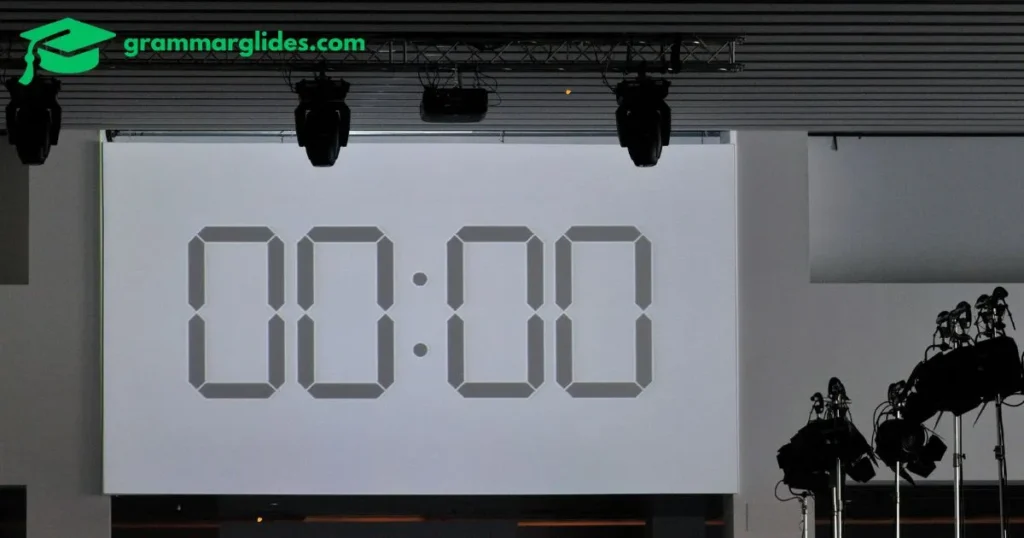
Example 1: “The digital clock showed two zeros at the end of the timer.”
Example 2: “In the new software update, the system displayed multiple zeros.”
Example 3: “The zeros at the beginning of the serial number were removed for clarity.”
Influence of Grammar Rules
The choice between zeroes and zeros is largely influenced by grammar rules that apply to most English words. For instance, plural forms of words ending in “o” may take either an s or es at the end, depending on the word and historical context.
Scenario: You’re reviewing an academic paper, and the writer has used zeroes in the plural form. As per American grammar rules, you might suggest switching it to zeros.
Example 1: “The zeros on the display were blinking.”
Example 2: “We calculated the zeros of the equation.”
Example 3: “The zeros of the test scores were clearly marked on the chart.”
Style Guides and Usage
Different style guides offer their recommendations for plural forms, including how to handle words like zero.
American Style Guides
The Chicago Manual of Style and APA guidelines typically prefer zeros, especially in technical writing.
Scenario: You’re writing a technical paper for an American university. Following the style guide, you would likely use zeros throughout your writing.
Example 1: “The zeros on the test were corrected after review.”
Example 2: “The decimal system is based on zeros.”
Example 3: “In this formula, the zeros are essential for accuracy.”
British Style Guides
The Oxford English Dictionary and similar British guides are more lenient, but still recommend zeroes in most cases.
Scenario: If you’re writing a formal paper in the UK, you might stick with zeroes for consistency with British guidelines.
Example 1: “The zeroes are essential to the accuracy of the measurement.
Example 2: “There are several zeroes in the dataset.”
Example 3: “The zeroes represent the absence of any value.”
Common Mistakes and Confusions
Using zeroes and zeros may seem straightforward, but many writers still make common mistakes when it comes to the plural form. Let’s look at 10 frequent errors that cause confusion, and how to avoid them:
- Confusing Singular and Plural Forms One common mistake is using zeroes in the singular form. The word zero is singular, so it should never be written as zeroes unless referring to its plural form. For example:
- Correct: “There are zeroes in the list.”
- Incorrect: “There are zeroes on the list” (should be zeros if plural).
- Mixing American and British Spelling Writers often mix up the American preference for zeros with the British use of zeroes. If you’re writing for an American audience, stick to zeros; for British audiences, zeroes may be preferred.
- Correct for American English: “The zeros were missing.”
- Correct for British English: “The zeroes were missing.”
- Overusing “zeroes” in technical writing can be problematic. In mathematical or technical contexts, the plural form “zeros” is almost always preferred for simplicity and clarity.
Using zeroes may look outdated and overly formal. - Correct: “We need to count all the zeros in the equation.”
- Incorrect: “We need to count all the zeroes in the equation.”
- Incorrect Usage in Lists Another mistake occurs when writers use zeroes in a list, assuming it’s grammatically correct. If you’re referring to multiple instances of zero, the preferred form is zeros.
- Correct: “The list contains several zeros.”
- Incorrect: “The list contains several zeroes.”
- Confusing “zeroes” with other nouns, writers sometimes mistakenly use “zeroes” in contexts where other plural forms are necessary. Zeroes should not replace words like heroes, tomatoes, or echoes. Each of these words follows different pluralization rules.
- Correct: “The zeros are in the wrong place.”
- Incorrect: “The zeroes are in the wrong place.”

- Forgetting to Stay Consistent A common error is switching between zeroes and zeros within the same document, especially when you’re not careful about your style guide. Pick one form and stay consistent throughout.
- Correct: “All the zeros were marked correctly.”
- Incorrect: “All the zeroes were marked correctly.”
- Using Zeroes in Informal Contexts Some writers might mistakenly choose zeroes in casual writing or conversations when zeros is the more appropriate and common form. Always consider your audience and tone.
- Correct: “There are zeros in the code.”
- Incorrect: “There are zeroes in the code.”
- Overcomplicating Simplicity Writers sometimes use zeroes unnecessarily in writing that would sound more natural with zeros. Keep it simple when you can.
- Correct: “I counted the zeros on the page.”
- Incorrect: “I counted the zeroes on the page.”
- Misapplying Pluralization Rules An occasional error is misapplying pluralization rules from other words like heroes or echoes to zero. While these words follow the -es rule for plural, zero follows the -s rule (in most cases).
- Correct: “The zeros in this row need adjusting.”
- Incorrect: “The zeroes in this row need adjusting.”
- Assuming One Form is Universally Correct Some writers assume that one spelling—either zeroes or zeros—is always correct. The truth is, both are acceptable depending on the style guide you follow (American vs. British English), and the context in which you are writing.
- Correct for American English: “He drew a bunch of zeros.”
- Correct for British English: “He drew a bunch of zeroes.”
Practical Tips for Writers
When it comes to using zeroes or zeros in your writing, consistency and clarity are key. Here are practical tips to help you make the right choice and improve your writing overall:
- Understand Your Audience
Know whether your audience is more likely to follow American or British English rules. American English prefers zeros, while British English may use zeroes. Tailor your writing accordingly. - Stay Consistent
Once you choose between zeroes or zeros, stick to it throughout the entire piece. Consistency in writing is vital for clarity and professionalism. - Use Style Guides
Refer to established style guides like APA, Chicago, or Oxford to determine which form is more appropriate for your writing context. These guides offer specific advice on spelling and grammar. - Context Matters
If you’re writing a technical or mathematical paper, “zeros” is typically preferred for simplicity and accuracy. Always consider your context. - Double Check for Correctness
Always review your text to ensure you’ve used the correct form of zero based on your writing’s style and context. Proofreading helps avoid mistakes. - Avoid Overcomplicating
When in doubt, opt for zeros. It’s the simpler, more widely accepted form, especially in modern English. - Use in Context
Always think about how the word fits within the sentence. For instance, in phrases like “zeros on a graph,” the s is enough, but “zeroes in a list” can be fine in more casual, descriptive writing. - Consider Historical Usage
While zeroes may feel more traditional, zeros has become more common in modern-day writing. Don’t be afraid to follow current trends if you’re aiming for modern clarity. - Be Cautious with International Writing
If you’re unsure whether to use zeroes or zeros for international audiences, zeros is a safe and neutral option. - Clarify Confusion
If you’re using zeroes in your writing, make sure to clarify its meaning to prevent confusion, especially if you’re writing for an American audience that typically uses zeros. - Understand Regional Variations
Knowing the regional preferences can be extremely helpful. If you’re writing for a British audience, zeroes might feel more natural, while Americans prefer zeros. - Use Pluralization Rules
The same rules apply to zero as to other nouns. When adding a plural, you can use -s or -es depending on the word and historical tradition. “Zeros” is the most common plural form, but “zeroes” can still be used. - Check the Tone of Your Writing
In formal writing, consistency and adherence to grammar rules matter more, so choose the form that aligns with the formality of your writing. - Teach Yourself Grammar Variations
Understanding the grammar rules that influence spelling variations will help you adapt to both American and British norms. This knowledge is valuable for anyone writing in different styles. - Be Flexible with Usage
While consistency is key, don’t be afraid to adapt based on the context.
If you’re writing an academic paper, “zeros” may be preferred, but in creative writing, you could use “zeroes” to add style.
Key Insight
1. Is it wrong to use “zeroes”?
No, it’s not wrong, but zeros is more common, especially in American English.
2. Can I use “zeroes” in scientific writing?
3. Which form should I use for business writing?
For consistency, zeros is usually the best option.
4. Do British people always use “zeroes”?
Not always, but it’s more common in British English than in American English.
5. What’s the easiest rule to follow for writers?
If you’re in doubt, use zeros, especially in technical or American contexts.
Wrap Up
Understanding the difference between zeroes and zeros is a small but important detail in writing. The choice depends on regional preferences and the context in which you are writing. American English leans toward zeros, while British English often uses zeroes. As with many grammar rules, consistency is key. Whether you’re writing a casual blog post, an academic paper, or a business report, knowing which form to use will ensure your writing is clear, professional, and grammatically sound. By following these guidelines, you’ll avoid common mistakes and choose the right form with confidence.

Hi! I’m Lauren Reynolds, the author of Grammar Glides. I create easy-to-follow content that helps you master English with confidence. Let’s make learning English simple and enjoyable together!