

Key Takeaways
- Entry door choice can significantly affect a home’s curb appeal, security, and energy efficiency.
- Various materials and designs exist to suit architectural styles and homeowner needs.
- Trends in entry door design highlight the importance of personal expression and smarter technology.
- Maintenance and upkeep are key for door longevity and continued performance.
- Proper installation and planning help ensure your selected door meets both style and practical needs.
Your entry door is more than just a functional barrier—it sets the tone for your home. Whether you live in a classic Colonial, a cozy farmhouse, or a sleek modern space, the right door style enhances curb appeal while reflecting your personality. From panel designs and decorative glass to bold colors and unique hardware, today’s options make it possible to find a door that perfectly balances beauty, security, and practicality. Choosing wisely ensures your home makes a lasting impression from the first step.
Why the Entry Door Matters
Few home design features combine function and curb appeal as effectively as the entry door. It’s the focal point for visitors and plays a crucial role in a property’s perceived value and personality. Beyond aesthetics, your entry door is the first line of defense against intruders while helping regulate a building’s energy efficiency and comfort year-round. For homeowners looking to upgrade, exploring exterior front doors for sale provides many options for any style or budget.
A thoughtfully chosen entry door sets the tone for the rest of the home’s exterior, highlighting architectural style, pride of ownership, and even your sense of style. Improving the entryway is not only a way to impress guests but also a practical renovation—front door replacements consistently rank high among home upgrades for delivering return on investment and boosting overall security.
Popular Entry Door Materials
The choice of entry door material significantly influences its aesthetics, tactile qualities, and performance. Common options include wood, known for its aesthetic warmth and adaptability but requiring regular maintenance; fiberglass, which replicates wood’s appearance with reduced upkeep, enhanced durability against environmental factors, and improved insulation, often representing a cost-effective improvement; steel, valued for its robust security and longevity at a competitive price point, though susceptible to dents that advanced finishes can mitigate; and glass, frequently integrated as decorative elements or sidelights to enhance natural light and modern style, with contemporary advancements improving their security and energy efficiency. The selection should consider personal style preferences, financial considerations, and the local climate, with wood suitable for sheltered entrances and fiberglass or steel more advantageous for exposed or heavily used areas.
Entry Door Styles That Make a Statement
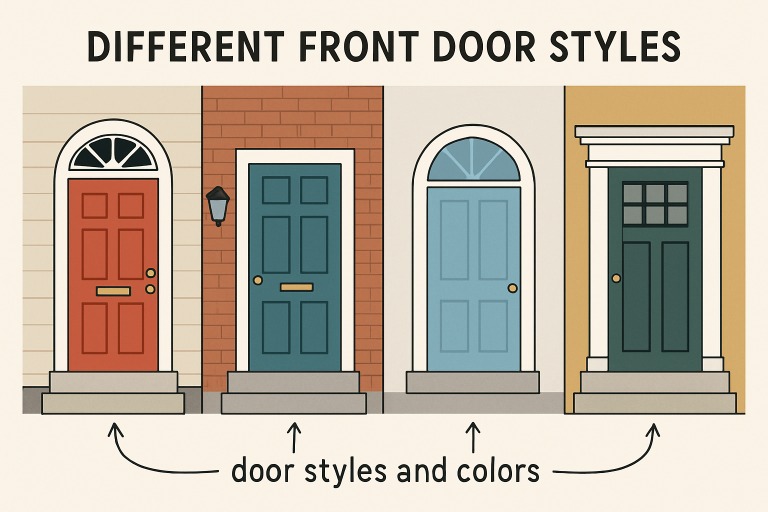
Style plays an essential role in expressing your home’s personality. A wide variety of entry door designs means there’s a suitable option for any preference, from elegantly traditional to bold and modern. Distinctive elements such as oversized hardware, decorative glass inserts, or eye-catching paint color can instantly boost a home’s visual interest. Double doors, arched transoms, or sidelights offer a grand entrance and can enhance both large and small façades alike. For creative inspiration, explore designer recommendations on entryway focal points.
Matching Doors to Home Architecture
Cohesion between your front door and the home’s architectural style creates a harmonious exterior. For instance, classic Victorian houses are best suited to ornately carved wood doors, while mid-century and contemporary homes favor clean lines and minimalist finished materials. Ranch and craftsman homes benefit from strong, paneled doors—often with stained finishes—to emphasize handcrafted details. Matching style, scale, and finish keeps your home looking intentional and timeless.
The Role of Technology in Modern Entry Doors
Today’s entry doors do more than just welcome guests—they often incorporate cutting-edge security, connectivity, and comfort technology. Popular features include smart locks with keypad entry, doorbell cameras, and integrated alarm sensors that can be managed from your phone. Enhanced weatherstripping and energy-efficient cores are increasingly standard, allowing homeowners to insulate their homes more effectively and minimize heating or cooling loss. Modern smart doors also make it easier to monitor your property remotely, a feature that has become especially valuable for peace of mind and property management. Review this guide to smart entry locks by The New York Times for further insights.
Trends Shaping Today’s Front Doors
Current entry door trends reflect growing desires for personal expression and sustainability. Homeowners increasingly seek doors in bold hues—reds, blues, matte blacks—and custom engravings or oversized glass panels for added light. Eco-friendly options, like recyclable materials and low-emission finishes, continue to gain traction. Investing in a distinctive, energy-efficient door can enhance property value while supporting environmental goals. Smart technology integration is also on the rise, with features such as keyless entry systems and video doorbells becoming standard upgrades. At the same time, mixed-material designs—combining wood with steel or glass—offer both durability and striking visual contrast. These innovations demonstrate how entry doors evolve into multifunctional elements that merge beauty, performance, and convenience.
Practical Tips for Caring for Your Entry Door
- Regularly inspect your entry door for signs of drafts, cracks, or weather-related wear, particularly after storms or temperature swings.
- Lubricate hinges and locks annually to avoid squeaking or sticking that can compromise performance and security.
- For wood doors, reapply protective sealants or paint every few years to prevent swelling, warping, and moisture damage.
- Evaluate weatherstripping at least twice a year and replace if worn to ensure maximum energy efficiency and comfort inside your home.
Following these care steps will help maintain your door’s beauty and function year after year.
Installation and Planning: Getting It Right
Even the most stylish entry door won’t perform as intended without proper installation. Precise measurements and professional consultation are crucial—especially for uniquely sized frames or homes requiring security upgrades. Planning for details such as swing direction, hardware type, and accessibility ensures your choice fits seamlessly into your daily routine. Complex installs or high-value doors should always be entrusted to a professional for the best results and to ensure warranties remain in effect. Proper sealing and insulation during installation also play a major role in energy efficiency, helping reduce drafts and utility costs. A well-installed door minimizes long-term maintenance issues, preventing warping, sticking, or premature wear. Ultimately, expert installation protects your investment while enhancing comfort and peace of mind.
Conclusion
Choosing the perfect entry door blends design, security, and efficiency—creating a first impression that instantly elevates your home. As trends evolve and technology advances, homeowners can select a door that expresses personality, meets modern needs, and adds tangible value. By exploring the options, considering essential features, and focusing on long-term care, you’ll ensure your entryway remains practical and inviting for years to come.

