

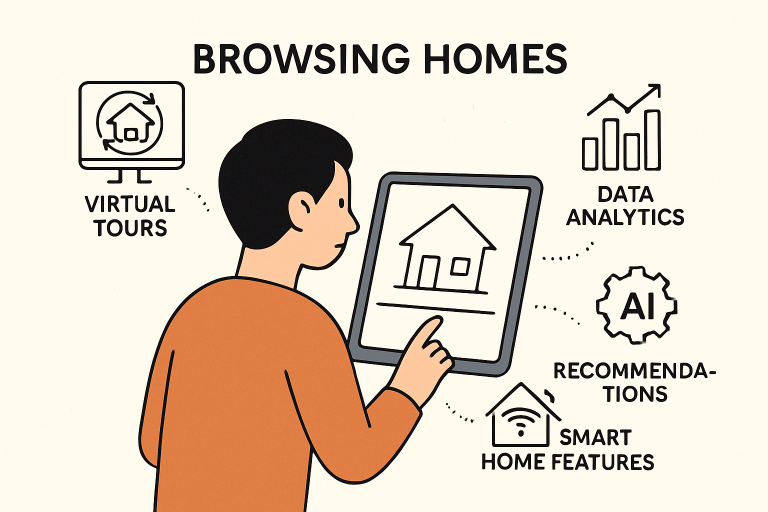
In recent years, technological advancements have significantly transformed the real estate landscape, making home buying and selling more efficient and accessible. From virtual tours to artificial intelligence (AI), these innovations are reshaping the industry. For instance, Longboat Key real estate agents Bruce Myer Group, led by industry veteran Bruce Myer, have embraced these technologies to enhance their services. With over $1 billion in career sales and a deep understanding of the Sarasota and Longboat Key markets, the Bruce Myer Group offers clients a seamless and informed real estate experience.
Virtual and Augmented Reality: Touring Homes from Anywhere
Virtual and augmented reality have transformed property viewings. Buyers can explore homes remotely via 3D tours, understanding layouts without visits, which benefits long-distance buyers and busy schedules. These tech tools cut in-person viewings, saving time for all. VR and AR also enable digital staging, helping sellers showcase different furniture styles and helping buyers visualize space uses. AR apps superimpose digital images over real scenes, enriching browsing. As technology advances, expect more interactive features for buyers and sellers.
Artificial Intelligence: Personalized Recommendations and Streamlined Transactions
AI greatly personalizes the home-buying experience by analyzing user preferences and behaviors to suggest suitable properties, identifying features like roof condition or pools to make searches intuitive. It streamlines transactions through automation of tasks such as document analysis and inquiries, reducing time and effort. AI-powered chatbots and virtual assistants provide 24/7 support, schedule appointments, and help with mortgage pre-approvals. These systems enhance security with risk assessments and fraud detection, and as they learn from interactions, they deliver more accurate suggestions and smoother processes.
Big Data Analytics: Understanding Market Trends
Big data analytics provide valuable insights into market trends, helping buyers and sellers make informed decisions. By analyzing vast amounts of data, these tools can predict market fluctuations, identify emerging neighborhoods, and assess property values. This level of analysis enables sellers to price their homes competitively and buyers to make strategic offers. Big data analytics play a pivotal role in the real estate market by enabling a more personalized experience for buyers and sellers.
For investors, big data enables scrutiny of regional migration patterns, local economic shifts, and demographic data, granting them an edge when selecting neighborhoods for new builds or renovations. Homeowners also benefit from access to historical listing data, price trends, and neighborhood statistics, which can help pinpoint the best time to buy or sell.
Smart Home Technology: Enhancing Property Appeal
The integration of smart home technology has become a significant factor in the real estate market. Features such as smart thermostats, security systems, and lighting not only enhance a home’s functionality and convenience but also increase its appeal to tech-savvy buyers. Properties equipped with these technologies often stand out in the market, potentially leading to quicker sales and higher offers. The Internet of Things (IoT) is revolutionizing the home experience, from smart locks to smart appliances.
Recent advances have expanded the adoption of energy-efficient solutions, smart irrigation systems, and integrated voice-assistant controls. This creates a truly connected home environment, providing not just convenience but future cost savings. As more buyers list smart technology as a “must-have,” sellers and agents are investing in upgrades that go beyond entertainment or basic automation—creating smarter, safer homes that can be managed remotely and have strong appeal in a competitive marketplace.
Digital Platforms: Simplifying the Buying and Selling Process
Digital platforms have streamlined real estate with listings, virtual tours, and direct communication, offering filters for price, location, and other preferences. Some incorporate AI for personalized recommendations, becoming decision-making tools. Payment processing, online contracts, and e-notarization reduce the need for face-to-face meetings, saving time and streamlining transactions across borders. Increased transparency and accessibility help buyers and investors engage confidently, enabling almost every stage of property transactions online and reducing paperwork and bureaucracy.
Conclusion
Technology continues to reshape the real estate industry, offering tools and platforms that make buying and selling homes more efficient and user-friendly. Embracing these innovations can lead to more informed decisions and a smoother transaction process for all parties involved.
As technology evolves, the pace of change in real estate will only accelerate. Professionals and consumers who are willing to adopt new tools will gain a significant advantage, reaping the benefits of greater convenience, better information, and a more transparent marketplace. For those looking to buy, sell, or invest, staying informed about the latest in property technology is no longer optional—it’s essential for success in today’s dynamic real estate environment.

